

Components
RIC loan a ‘lifesaver’ in dry times
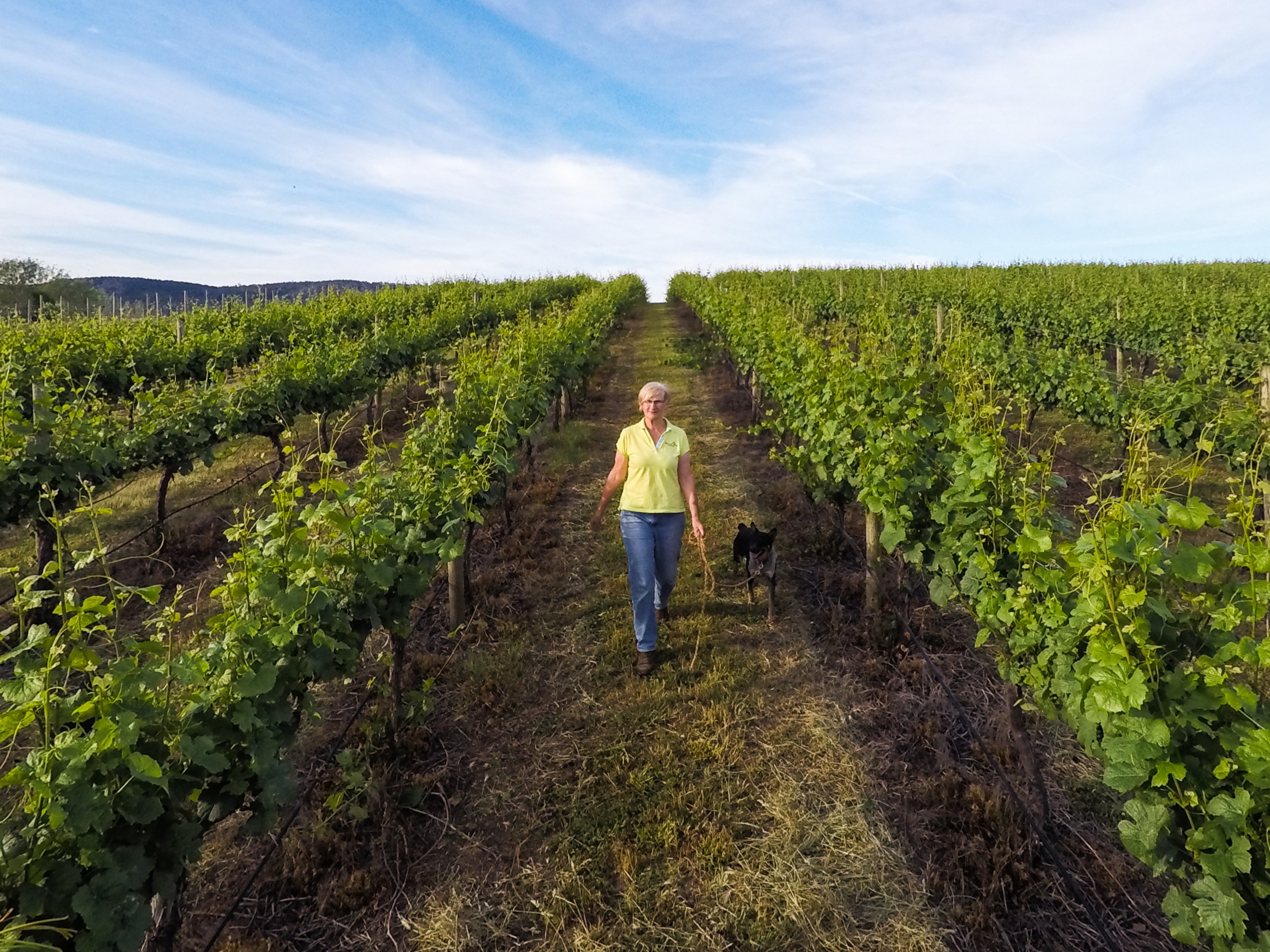
After facing more than 2 years of drought in southern NSW, vigneron Juliet Cullen says a RIC Drought Hardship Loan will help her to manage through tough times.
Juliet runs Excelsior Peak Vineyard near Tumbarumba where she grows pinot noir, chardonnay, riesling, sauvignon blanc and sangiovese grape varieties.
“I am one of the pioneers of the Tumbarumba wine industry, having done the original research that showed the Tumbarumba region to have a climate very similar to that of the Burgundy region of France,” she said.
“I am also one of the first women in the region to own and run a vineyard and have been growing super-premium wine grapes for over 40 years."
“They say that great wine is made in the vineyard – to produce grapes of outstanding quality, to make wine that wins gold medals, that people love, to work close to nature, whatever she may throw at me, that is what fuels my passion for farming.”
Juliet’s property experienced drought conditions for 2 years. Tumbarumba usually receives 1000 millimetres of rain annually but during 2025, the area experienced its driest autumn on record, followed by a dry winter and heatwaves during summer.
“Grapevines need soaking autumn rain to wet the soil, so the roots and trunk can store nutrients to use in the cold spring, but with incredibly dry soil in 2025, they failed to do this,” Juliet said.
“The vines struggled and the yields were down by 40%, the worst harvest ever.
“The quality was good, but economically it was catastrophic.”
Reaching out for support
Juliet sought advice from the Rural Financial Counselling Service – her counsellor suggested RIC’s Drought Hardship Loan, which provides up to $250,000 to farmers who have experienced 2 dry years and expect the financial impact to last for at least another 12 months.
“I realised that with my income halved, I did not have enough working capital to get through to the 2027 harvest,” she said.
“The great thing about the RFCS is that they know about the whole range of loans that are available, while it’s difficult for me to be across all this.
“The Drought Hardship Loan was the only [option] that met my needs because it offered working capital, a 2-year no-repayment period and a low interest rate that would allow me to pick up my income and repay the loan.”
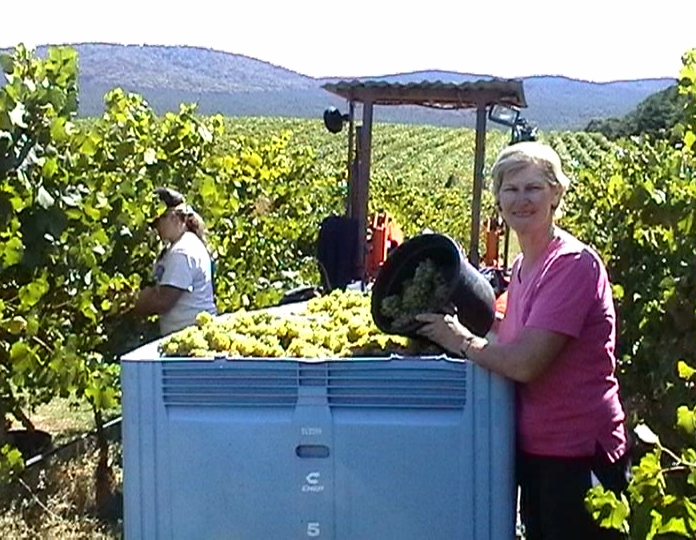
Team approach to application
Juliet said taking the RIC application one step at a time kept the process straightforward.
Her rural financial counsellor helped her go through RIC’s document checklist to ensure everything was correct and aided with the online application.
“I highly recommend this, as online applications can feel a bit stressful, but with help and support it’s actually not hard,” she said.
“I involved my bank as they needed to approve a new loan to be added to my mortgage, and I talked to my accountant.
“If you take a team approach, it works well.”
She said her first task was to put together her cash flows for the next 2-3 years. It was also important to explain the context of her business during the application process.
“Things like what you produce, expected prices for grapes, stability of clients, potential risks of downturns in the market, and importantly, what practical steps you are taking to reduce the impact of drought,” she said.
In her drought management plan, she increased maintenance for her drip irrigation system, which is vital to maintain grapes through heatwaves.
“My focus is on replacing blocked lines and drippers to be more effective and efficient,” she said.
Planning for recovery
Juliet said RIC’s Drought Hardship Loan addressed her need for working capital to get back on her feet.
“The RIC loan has been a lifesaver for my business,” she said.
“When you have a fixed crop such as grape vines, you can’t just double production or switch crops.
“It takes a minimum of 3 years for a new vine to produce and with the help of RIC, I am increasing my production by over 30 per cent in the next 5 years, through a program of renewal and replanting vines.”
Services there to help
Juliet encouraged other producers to consider a RIC loan and seek advice from their local RFCS.
“Both organisations are approachable and supportive, professional and a great resource,” she said.
“[Rural financial counsellors] are a hidden gem – I can’t speak highly enough of their staff who have helped me save my farm, and saved my sanity,” she said.
“As a farmer who’s just had a disastrous drop in income, finding the RIC Drought Hardship Loan, and finding the staff who understood my farming system, was a such a relief.”
To find out more about the Drought Hardship Loan, visit www.ric.gov.au/drought-hardship